Scenes from an Execution
Written by Howard Barker, this play explores what happens when art clashes with politics and religion.
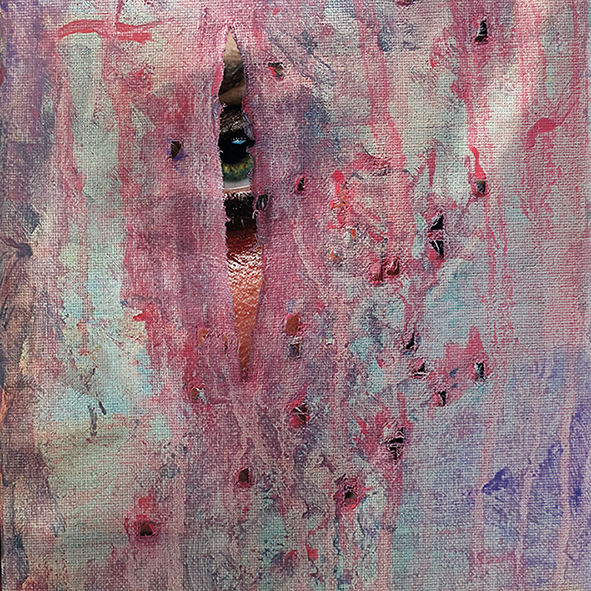
In 16th-century Venice, renowned female artist Galactia is commissioned by the Catholic Church and the Venetian State to paint the Battle of Lepanto, celebrating the defeat of the pagan Turk and glorifying Venice. Instead, Galactia paints the cruel, senseless slaughter of one of the bloodiest battles in human history.
Will Galactia be strong enough to withstand the machinations of Church and State, winning her own personal battle to get her truth heard?
More relevant today than ever before, with facts being twisted by politicians, voices silenced by those with the most power, and the arts one of the few mediums left through which people may find their voice. Galactia’s personal battle will empower and inspire audiences to keep demanding the truth.
Director | Jax Brady
Content Warning: Recommended for ages 14+.
Contains mature themes including war, violence, political oppression, misogyny, references to sexual violence, and emotional distress. Viewer discretion is advised.
Director’s Notes:
I first came across Scenes from an Execution during my second year studying drama, thirty plus years ago. There is something about this play that sticks in the soul.
The story itself is simple; a painter is commissioned by the State of Venice to paint a picture of their latest battle victory, but chooses instead to paint the reality of war. However, this is just the surface. There are many layers to this exceptionally well written play and it is within these layers that we, like Galactia, find our truths.
The more discerning theatre goer will appreciate the emotional turmoil of each character, the richness of the language, the themes of personal struggles, family dynamics, corruption, patriarchy, staying true to oneself, political use of propaganda and the reality behind the facade. Look deeper and you will notice how Barker uses language to stimulate the senses; Dementia complaining of the stink of men, children trembling at the noise as the ships collide, flesh being flung into the air like sliced melon, and Galactia’s eternal frustration that she needs to “find a new red for all that blood”.
The most insightful will recognise that the stories told within Scenes from an Execution are as relevant today as they were in 1571, drawing comparisons between the characters and their modern equivalents: Was that a flash of Trump we witnessed in Urgentino’s lascivious interactions with Galactia? Did you notice Rivera using her feminine wiles to manipulate the Doge as Monica Lewinski manipulated Clinton? Did you check her dress for ‘questionable stains’? Do you hear whispers of Simon Weston in Prodo’s rhetoric, championing the “Honour of the Great Republic and the Humiliation of the Pagan Turk,” or do you hear the truth of his pain when Prodo finally… but stop, we are entering spoiler territory!
My hope is that you get as much out of this play as I have, that you think about it when you are lying still and find that there is yet another layer.
Jax Brady